One The Ground - Nov/Dec ‘25
Club of Leaders (CoL)
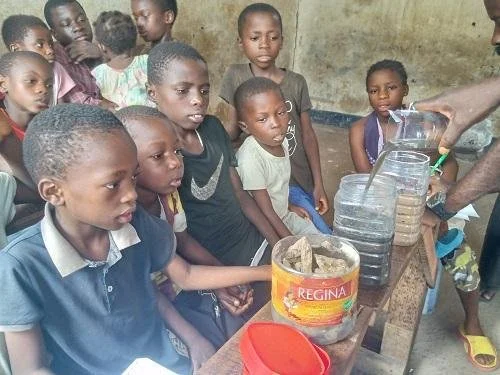
Students continue to learn how leadership is expressed through concrete actions not only at their school but in the surrounding community. After missing a club session due to police activity near Hebrone School, students returned and continued caring for the improvements they have helped create, including the toilets, the well, classrooms, and the baobab tree. Through a traditional learning circle, students reflected on their responsibility for sustainability and discussed how their behavior, punctuality, and commitment influence the success of the club and its ability to positively impact other young people in the community, including vulnerable youth such as the Kulunas they are working to re-engage in the club. Students are also building a strong understanding of composting and its role in food production. Together, they developed a driving question to guide the creation of a school learning garden: How will we, the members of the Hebrone Leaders Club, organize a rich school learning garden to help the community apply their efforts to produce food? Working in stations, students engaged in hands-on composting activities that included experiments, observation, storytelling, and age appropriate learning circles. They learned to identify soil types, transform organic waste into compost, and explain how compost improves soil health, increases food production, and reduces waste. Students will apply this learning through a school and community garden and through composting activities at home, strengthening their skills in problem solving, collaboration, and community leadership.
Ecole Valeurs de Christ (EVC): Potential Partner School
Malembe Rise strengthened its relationship with EVC through a joint learning session that brought together primary and secondary teachers and staff. The session focused on building trust, sharing best practices, and modeling student centered education through collaborative, age appropriate stations. Participants explored key ideas related to collaboration, identified community assets, and defined the difference between short term aid and sustainable development. Teachers engaged with the Malembe Rise model, which emphasizes educators as facilitators, students as servant leaders, and community improvement. The partnership will continue through future workshops designed to empower educators as they support students to become leaders in their school and community.